In today’s fast-paced world, convenience often takes precedence over traditional methods. This is true across various domains, including home improvement and automation. One key area where this is evident is in the selection of garage doors. The decision between manual and automated options can significantly impact not only the ease of use but also the security, efficiency, and aesthetics of your home. In this comprehensive guide, we'll explore Factors To Consider When Choosing Between Manual And Automated Options while delving into related topics to empower you with the knowledge to make an informed decision.
Understanding Manual vs Automated Garage Doors
What Are Manual Garage Doors?
Manual garage doors require physical effort to operate. Typically operated by a lever or handle located on the door itself, these doors come in various types such as roll-up, tilt-up, or side-hinged doors.
Benefits of Manual Garage Doors
Cost-Effective: Generally cheaper than automated options due to fewer components. Simplicity: Fewer moving parts mean there are fewer things that can go wrong. Control: Gives you direct control over the operation without relying on technology.Drawbacks of Manual Garage Doors
Physical Effort: Requires more strength, especially for larger doors. Less Convenient: Can be a hassle during inclement weather or when your hands are full.What Are Automated Garage Doors?
Automated garage doors operate via remote controls or smart systems. They often feature advanced technology like smart garage door openers that integrate with home automation systems.
Benefits of Automated Garage Doors
Convenience: Open your garage from your car or smartphone without stepping out. Security Features: Many models come equipped with enhanced safety features. Energy Efficiency: Options available that help insulate your garage.Drawbacks of Automated Garage Doors
Higher Initial Cost: More expensive upfront due to complex mechanisms. Maintenance Needs: Requires regular maintenance and occasional repairs.Types of Garage Doors
Sectional Garage Doors
These are made up of multiple panels that slide up and overhead upon opening.
Pros:
- Space-efficient Good insulation properties
Cons:
- May require more maintenance due to moving parts
Roll-Up Garage Doors
Consist of horizontal slats that roll up onto a drum above the door frame.
Pros:
- Space-saving Often used in commercial settings
Cons:
- Less aesthetic appeal
Side-Hinged Garage Doors
Operated similarly to regular doors, swinging open from hinges https://garagedoorrepairs-melbourne.com/narre-warren/ on one side.
Pros:
- Easier access for pedestrians Can be custom designed
Cons:
- Takes up more driveway space when opening
Smart Garage Door Openers
With advancements in technology, smart garage door openers now allow homeowners to control their garage doors remotely via apps on their smartphones.
Features to Look For
Remote access through mobile applications Integration with home automation systems Alerts and notifications for security breachesGarage Door Maintenance Tips
Regardless of whether you choose manual or automated options, regular maintenance is essential for longevity:
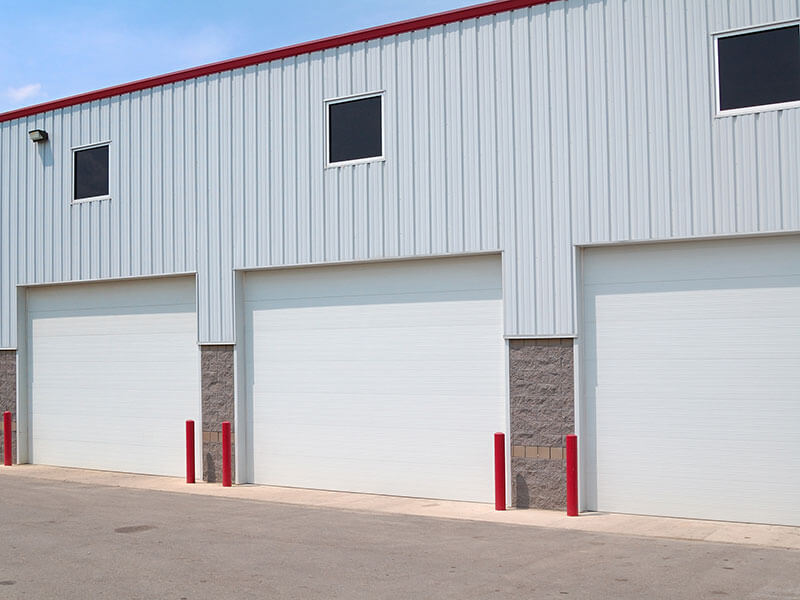
Lubricate moving parts every six months. Inspect springs for wear and tear. Test safety features regularly.
Common Garage Door Problems and Solutions
Garage doors can encounter various issues regardless of their type:
| Problem | Solution | |-----------------------|--------------------------------------------------| | Door won't open | Check power supply or remote batteries | | Noisy operation | Lubricate tracks and rollers | | Misaligned tracks | Realign tracks carefully |
Energy-Efficient Garage Doors
Choosing energy-efficient options can reduce heating costs and keep your garage comfortable year-round:
garage door company Look for insulated designs. Materials like fiberglass have high R-values.Garage Door Safety Features
When choosing a garage door system, prioritize safety features:
Automatic reverse mechanisms Infrared sensors that detect obstructionsHow to Choose the Right Garage Door for Your Home?
Selecting a new garage door involves several considerations:
Style compatibility with your home’s architecture Material durability based on climate conditions Budget constraintsFactors To Consider When Choosing Between Manual And Automated Options
When weighing manual vs automated options, consider lifestyle needs—if convenience ranks high on your list, an automated option may be best suited for you.
The History of Garage Doors
Garage doors have evolved significantly since their inception in the early 20th century; initially made from wood and requiring manual operation, they have transformed into technologically advanced solutions that enhance both function and aesthetic appeal.
DIY Garage Door Installation Tips
For those inclined toward DIY projects:
Gather all necessary tools before beginning. Follow manufacturer instructions meticulously. Ensure safety gear is worn during installation.Garage Door Security Measures
Security should be a top priority; consider these measures:
Smart locks integrated with alarm systems Surveillance cameras monitoring entry pointsSeasonal Garage Door Care Tips
Different seasons call for unique care strategies:
- Winter: Check for ice buildup around seals. Summer: Regularly inspect weather stripping for wear and tear.
Custom Garage Doors: A Personalized Touch?
Opting for custom designs allows homeowners to reflect their personality through aesthetics while maintaining functionality.
Garage Door Opener Batteries and Backup Systems
Regularly check batteries in remote controls and invest in backup power sources if using automated systems to ensure functionality during power outages.
Frequently Asked Questions (FAQs)
1) What’s the average lifespan of a garage door?
Most standard garage doors last between 15 to 30 years depending on usage and maintenance practices employed.
2) Are smart garage door openers safe?
Yes! They come equipped with security measures like encryption protocols ensuring data protection against hacking attempts.
3) Can I convert my manual garage door into an automated one?
Absolutely! You can install an automatic opener designed specifically for existing manual setups; however, consulting a professional is advisable for best results.
4) What material should I choose for my new garage door?
Consider factors such as climate resilience (steel vs wood), insulation properties (fiberglass vs vinyl), and personal taste when deciding on materials!
5) How do I maintain my automated system effectively?
Regularly check battery levels in remotes/electronic devices connected; lubricate moving parts periodically; test safety features!
6) Is it worth investing in an energy-efficient model?
Definitely! Energy-efficient models lower utility bills over time while providing better temperature control within garages!
Conclusion
Choosing between manual and automated options involves consideration of several factors ranging from cost-efficiency to convenience and security features tailored specifically toward individual needs/preferences! By understanding all aspects discussed above—from types available down through maintenance tips—you’ll empower yourself with knowledge vital enough not only enhancing daily life but also potentially increasing property value too! So if you're pondering “Factors To Consider When Choosing Between Manual And Automated Options,” remember it's crucial not just what fits best today—but what aligns perfectly with future goals too!